September 3, 2026
Preventing cavities requires a comprehensive daily approach to maintain optimal oral health. Understanding how cavities form and the actionable steps you can take daily is crucial for preventing tooth decay. Cavities occur through a complex interaction involving natural mouth bacteria, residual food particles, and protective tooth enamel. When sugars and starches remain on your teeth, resident bacteria consume them and produce acidic byproducts. These acids slowly dissolve the protective minerals on your outer enamel surface over time. Ignoring early signs of enamel damage leads to permanent structural decay that requires clinical intervention. Proactive habits help preserve your natural tooth structure and prevent uncomfortable dental issues. Utilizing local dental services provides professional support to ensure your home hygiene routine stays completely effective over time.
Establishing a consistent preventative routine keeps your teeth strong and free from decay. Effective home habits create a clean oral environment where harmful bacteria cannot thrive or multiply. Combining daily brushing, interdental cleaning, targeted mouthwash, proper nutrition, and systemic mineral support offers total enamel protection. Each step in your routine plays a distinct role in disturbing plaque biofilm before damage occurs. Skipping key habits allows bacteria to settle into hard-to-reach areas of your mouth uninterrupted. Consistent daily care reduces the risk of long-term oral complications and costly corrective procedures. Partnering with local dental services guarantees your home efforts stay aligned with optimal oral health recommendations.
Brushing Teeth Thoroughly
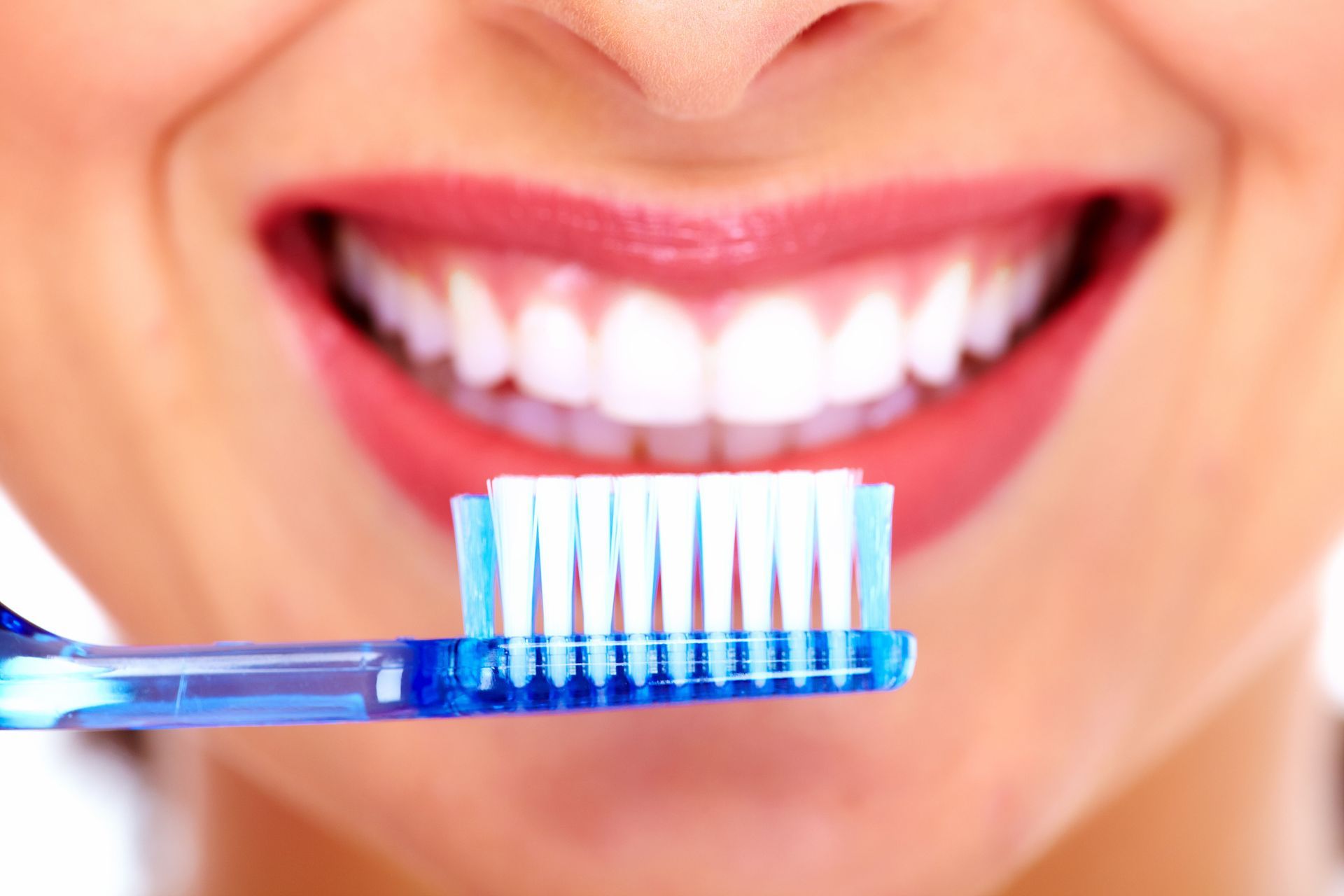
Choosing the correct toothbrush serves as the primary base for an effective oral care routine. Dentists generally recommend soft-bristled toothbrushes because they clean efficiently without causing abrasive damage to delicate gum tissues or tooth enamel. Electric toothbrush models often provide superior cleaning capabilities by delivering consistent oscillatory micro-movements that break up stubborn surface plaque effortlessly. The shape and size of the brush head should comfortably accommodate your mouth size to allow easy reach to posterior molars. Replacing your toothbrush every three months prevents worn, frayed bristles from scratching enamel or harboring microscopic bacteria. Clean bristles maximize plaque removal while maintaining total gentle safety for surrounding oral tissues.
Adopting proper brushing techniques as advised by your local dental services ensures every surface receives thorough cleaning without causing unintended tissue erosion. Position your brush bristles at a precise forty-five-degree angle directly against the junction where your teeth meet your gums. Move the toothbrush using short, gentle back-and-forth strokes across inner, outer, and flat chewing surfaces systematically. Avoid applying harsh pressure during brushing, as aggressive scrubbing wears down enamel and encourages recession of sensitive gum tissue. Brushing your tongue removes lingering food debris and volatile sulfur compounds, promoting fresh breath and lower bacteria counts. Completing this routine twice daily for two full minutes provides reliable protection against cavity formation.
Cleaning Interdental Spaces
Removing trapped debris between teeth is essential because standard manual toothbrushes cannot reach tight interdental spaces. Plaque that accumulates along neighboring tooth surfaces quickly produces localized enamel decay and localized soft tissue inflammation. Consistent flossing prevents gum disease and cavities, both of which are leading causes for dental visits. According to IBISWorld, the U.S. dentists industry is valued at $196.1 billion in 2026, partially driven by treatments for issues flossing could prevent. Integrating daily flossing removes hidden food remnants before acid-producing microbes break them down.
Executing proper flossing techniques maximizes cleanliness while preventing accidental trauma to sensitive interdental papillae. Gently guide the floss strand between adjacent teeth using a soft back-and-forth motion without snapping down onto gums. Wrap the floss into a snug C-shape curve against the side of each individual tooth surface. Slide the material carefully beneath the margin of your gum line to dislodge embedded plaque debris effectively. Alternative tools like specialized water flossers or shaped interdental brushes assist individuals who struggle with conventional string floss.
Rinsing With Mouthwash
Selecting an appropriate therapeutic mouthwash adds an extra layer of active defense within your oral care routine. Anti-cavity mouthwashes containing active fluoride help rebuild weakened enamel surfaces while limiting harmful acid attacks throughout the day. Antibacterial formulations actively target floating oral microbes, drastically lowering overall counts within saliva and hard-to-reach subgingival spaces. Alcohol-free rinses present a gentle alternative that avoids uncomfortable burning sensations and prevents drying out oral mucous membranes. Maintaining healthy saliva flow remains essential because natural saliva neutralizes acids and rinses away residual food particles continuously. Using therapeutic rinses daily strengthens your existing enamel while keeping overall oral microflora balanced.
Incorporating liquid rinses correctly maximizes their preventive value without displacing essential daily physical cleaning methods. Swish measured liquid mouthwash vigorously around your entire oral cavity for thirty full seconds to allow complete coverage. Spit out the liquid entirely and refrain from eating, drinking, or rinsing with water for thirty minutes afterward. This intentional wait period enables active mineral ingredients to absorb fully into your outer tooth enamel without dilution.
Managing Dietary Choices
Controlling daily carbohydrate consumption significantly reduces the frequency and intensity of destructive bacterial acid attacks. Microorganisms living within plaque rapidly ferment refined sugars and simple starches, generating strong acids that dissolve protective minerals. Consuming frequent sugary snacks or sipping sweetened beverages throughout the day exposes your enamel to constant acid baths. Sticky foods like dried fruit or chewy candies adhere tightly to deep dental grooves, prolonging acid production. Limiting high-sugar foods reduces the continuous acid stress placed upon vulnerable enamel. Making mindful nutritional adjustments protects your teeth by starving acid-producing bacteria of their primary fuel source.
Selecting nutrient-dense foods supports internal structural strength while naturally promoting beneficial oral self-cleaning mechanisms. Crunchy raw vegetables and high-fiber fruits stimulate active saliva production, which naturally washes away lingering debris and neutralizes acidic conditions. Dairy products containing abundant calcium and phosphorus provide essential building blocks necessary for continuous enamel remineralization. Essential vitamins assist in maintaining resilient gum tissues that shield underlying alveolar bone structures from bacterial invasion. Drinking plenty of plain water throughout the day rinses away loose food particles and keeps mouth tissues hydrated. Prioritizing whole, fresh foods creates an ideal environment for long-term oral health resilience.
Applying Strengthening Minerals
Understanding how fluoride repairs surface enamel helps explain its vital role in preventing active tooth decay. Fluoride ions integrate into micro-damaged enamel matrices, forming a stronger mineral structure that resists future acid dissolution. Incorporating topical mineral applications helps repair invisible microscopic defects before full structural cavities physically develop within teeth. Using prescription fluoride gels or over-the-counter fluoride toothpastes provides daily topical mineral exposure directly to vulnerable enamel. Professional applications delivered during routine clinical visits offer high-concentration mineral boosts for long-lasting enamel protection. Consistently reinforcing mineral structures ensures your teeth remain hard, resilient, and fully resistant to decay.
Monitoring mineral exposure balance ensures safe and effective enamel fortification for every age group. Young children require appropriate supervision during brushing to prevent intentional or accidental swallowing of fluoride toothpaste. Using a tiny pea-sized dab of toothpaste for children minimizes excessive systemic ingestion while providing complete local protective benefits. Excessive ingestion during early childhood tooth development can cause mild aesthetic fluorosis, characterized by faint white flecks on adult enamel. Scheduling periodic evaluations through local dental services ensures your family receives ideal mineral recommendations tailored to your local water fluoridation levels. Balancing appropriate mineral delivery protects enamel effectively across every stage of personal life.
Maintaining consistent home hygiene habits significantly reduces your overall risk of developing tooth decay. Combining diligent brushing, thorough flossing, targeted rinses, and a balanced diet lays a solid foundation for lifelong oral health. However, home care alone cannot completely replace professional oversight, specialized diagnostic tools, and deep clinical cleanings. Regular professional examinations catch tiny issues early before they progress into complex dental problems. To keep your smile healthy, vibrant, and fully protected, schedule your next preventive appointment with Simply Dental for top-rated
local dental services today.